ot

2020年7月7日火曜日

2020年バークシャー株主総会(40)わたしの間違いでした

0 件のコメント:
バークシャー・ハサウェイの株主総会より、ウォーレン・バフェットの実質的な謝罪会見です。 このように誠実な態度を示せるリーダーのもとでは、真っ当な文化が育まれていると期待したいものです。前回分の投稿はこちらです。(日本語は拙訳)

<ウォーレン・バフェット> そうしたのは基本的に、だれかが目標価格を変更したり、今期の利益予想を変更したことで、「株式市場は下落するか、今の状態で進むだろう」と考えるようになったからではありません。「企業の価値を評価する際に自分がまちがっていた」と判断したからです。それは原因が究明できる失敗でした。株式を買ったときには、確率で重みづけした上で決定をくだしました。そして航空業界にわたって投資していた時には、十分な見返りを得ていました。

最大手の航空会社4社を合算したとして、その10%ほどを購入しました。4月に実行[売却]したのは100%ではないですが、大手4社の10%を購入するために70億から80億ドルを支払いました。

当社としては、10億ドルほどの利益を得ていると考えていました。10億ドルの配当金を受け取ったわけではないですが、持分に相当する利益の額はおよそ10億ドルだとみなしていました。そしてある程度の期間でみれば、その金額を上回る年のほうが下回る年よりも多いだろうと予想していました。当然ながら周期的な変動はあるでしょうが、会社全体を買ったと想定して利益のことを考えていました。しかし当社はニューヨーク証券取引所で株式を買ったので、実際には4社全体の10%程度しか買えませんでした。わたしどもの心のなかでは、その事業を本当に保有しているかのように考えてきました。そして今回、わたし自身が事業のことをまちがってとらえていたという結果になりました。優秀なる4名のCEO諸氏が失敗をおかしたわけではありません。

(Warren Buffett 01:41:07)

And that's basically, that isn't because we thought the stock market was going to go down or anything of this order because somebody changes their target price or they change this year's earnings forecast. I just decided that I'd made a mistake in evaluating. That was an understandable mistake. It was a probability-weighted decision when we bought that, we were getting an attractive amount for our money when investing across the airlines business.

(Warren Buffett 01:41:43)

So we bought roughly 10% of the four largest airlines, and we probably... This is not 100% of what we did in April, but we probably paid $7 or $8 billion and then somewhere between $7 and $8 billion to own 10-

(Warren Buffett 01:42:03)

And somewhere between seven and eight billion to own 10% of the four large companies in the airline business, and we felt for that, we were getting a billion dollars roughly of earnings. Now we weren't getting a billion dollars of dividends, but we felt our share of the underlying earnings was a billion dollars and we felt that that number was more likely to go up than down over a period of time. It would be cyclical obviously, but it was as if we bought the whole company. But we bought it through the New York Stock Exchange, and we can only effectively buy 10% roughly of the four. And we treat it mentally exactly as if we were buying a business. And it turned out I was wrong about that business because of something that was not in any way the fault of four excellent CEOs.

今回の発言で個人的に注目したのは、チャーリー・マンガーの指摘を裏付ける箇所でした。今となっては基本的なことですが、それでも事実が確認できるというのはうれしいことですね。

反射的に、にょきにょきと枝をのばす(チャーリー・マンガー)

2020年7月6日月曜日

企業の成長性と価値評価の関係(後)(マイケル・モーブッシン)

0 件のコメント:
マイケル・モーブッシンのエッセイより、今回で最後です。「成長投資」という言葉を株主の立場からみつめなおす話題です。あっさりとした内容の文章に読めますが、企業へ長期的に投資をして大きな利益をあげる上で、この話題は核心になるものだと、個人的には考えています。前回分の投稿はこちらです。(日本語は拙訳)

<ROIIC>
さらにここからは、ROIICの予想値が変化するとどのような影響がでるのか見てみよう。NOPAT(税引後営業利益)成長率が10%と仮定した状況に戻って、異なるROIICを設定することで保証PER倍率がどうなるのか検討していく。

ROIIC. We now turn to seeing the impact of changing assumptions about ROIIC. We’ll revert back to our 10 percent baseline NOPAT growth and consider the warranted P/E multiples assuming different ROIICs.

ここでいったん、文中で登場する用語を説明する文章に移ります。「標準PER倍率(commodity P/E multiple)」という用語についてです。

標準PER倍率(commodity P/E multiple)の基礎的な例から始めよう。この値は「年あたり1ドルの利益を生み出すが、今後は新たな価値を創出しない永久債として扱うべきもの」に対して支払う金額の倍率である。これを求めるには、資本コストの逆数を乗算すればよい。たとえば資本コストが8%であれば、標準PER倍率は12.5になる(1 / 0.08 = 12.5)。

Let’s start with the basic example of the commodity P/E multiple. This is the multiple you should pay for $1 of earnings into perpetuity assuming no value creation. You calculate the multiple by taking the inverse of the cost of equity capital. For example, if the cost of equity is 8 percent, the commodity P/E multiple is 12.5 (1/.08 = 12.5).

以下、本文に戻ります。

図4にその結果を示す。この条件における標準PER倍率が14.9であることに留意してほしい[6.7%の逆数]。それでは考えを進めてみよう。ROIICは、予想成長率を達成するために資金をどれだけ投下すべきかを示している。ROIICが高ければ、成長に対する投資はそれほど必要ではない。つまり、株主に回すことのできる現金が多く残る。その反対にROIICが低いと、成長を果たすための資金が余計にかかり、株主用の現金が少なくなる。


バフェットは、成長することが「好影響になることもあるし、悪影響になることもある」と付け加えた。ROIICが資本コストを下回っていれば、成長は[価値に対して]悪影響を与える。そのような企業は1ドルの資本を費やすことで、1ドル未満の価値を手にいれるのだ。その場合、企業の成長が急速であるほど、より多くの財産が失われていくことになる。

上記の図は「ROIICが資本コスト6.7%に満たないと、株価のPER倍率が標準倍率を下回る」ことを示している。企業買収の例がこれに当てはまる。一般に買収を実現することで、買い手からすれば利益は増加するものの、[企業]価値は下落する。つまり「ROIICの低い投資を実施している企業は、株価倍率を標準倍率へ押し下げている」と、みなすことができるだろう。

Exhibit 4 shows the results. Recall that the commodity P/E is 14.9. Here’s the way to think about it: ROIIC tells you how much you have to invest to achieve an assumed growth rate. A high ROIIC means you don’t need to invest much to grow, which means there’s more cash left over for shareholders. A low ROIIC means you have to invest a lot of capital to grow, leaving little for the owners.

Buffett added that the impact of growth “can be negative as well as positive.” Growth is a negative when the ROIIC is below the cost of capital. In that case, a company is spending $1 worth of capital to attain less than $1 of value. The faster the company grows the more wealth it destroys.

The exhibit shows that an ROIIC below the cost of capital of 6.7 percent yields a P/E multiple below the commodity multiple. Acquisitions are again a case in point. For buyers, M&A deals commonly add to earnings growth but subtract from value. You can think of low-ROIIC investments as pushing down the P/E multiple of a company’s stock toward the commodity multiple.

2020年7月5日日曜日

2020年バークシャー株主総会(39)4月はずいぶん売りました

0 件のコメント:
バークシャー・ハサウェイの株主総会より、FEDの救済をよそに、ウォーレン・バフェットが今回の危機に直面して取った行動について説明しています。前回分の投稿はこちらです。(日本語は拙訳)

<ウォーレン・バフェット> しかし、わたしどもはバークシャーで準備をしていました。あれほどまでに行動できる議長がFEDにいない場合を想定して、つねに備えてきました。わたしどもはあらゆることに備えたいと考えています。そのことが、現金や債券で1,240億ドル分を保有している説明の一部になっていると思います。ですから当社には、そのすべてが必要なわけではありません。

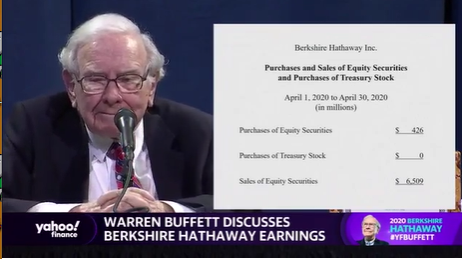
しかし当社は他人のやさしさのみならず、友人のやさしさにも頼りたくないと考えています。次のスライドは株式に関する行動についてですが、年初における資産の市場評価額は5,000億ドルに近かったので、その規模から考えてみれば小さな金額でした。購入した自社株は17億ドルでした。また株式の購入は売却を20億ドルほど上回りました。


先ほどのスライドでみたように、営業利益は60億に近い50億ドル台でした。ですから第1四半期にはほとんど何もしていません。そしてスライドをもうひとつ加えましたが、これは通常公表していないものです。しかし、投資や株式についていつもよりお話しするのは、バークシャーが実際に行っていることを知ってほしいからです。それで4月はどうだったかと言いますと、正味60億ドルほどの証券を売却しました。


(Warren Buffett 01:39:16)

But we're prepared at Berkshire. We always prepare on the [ad 01:39:20], on the basis that maybe the Fed will not have a chairman that acts like that. And we really want to be prepared for anything. So that explains some of the $124 billion in cash and bills. We don't need it all.

(Warren Buffett 01:39:39)

But we never want to be dependent on not only the kindness of strangers but the kindness of friends. Now, in the next slide, we have the what we did in equities, and these numbers are tiny when you get right down to it. I mean, for having $500 billion or so in net worth and... I mean, not net worth, but in market value at the start of the year or something close to that. We bought in $1.7 billion of stock, and our purchases were a couple of billion more than our sales of equities.

(Warren Buffett 01:40:26)

But as you saw in the previous slide, we had operating earnings of $5, almost $6 billion. So we did very little in the first quarter. And then I've added in another figure, which I wouldn't normally present to you. But I want to be sure that if I'm talking to you about investments and stocks more than I usually have, I want you to know what Berkshire's actually doing. Now, you'll see in the month of April that we net sold $6 billion or so of securities.

2020年7月4日土曜日

2020年バークシャー株主総会(38)3月23日、FEDが決断した日

0 件のコメント:
バークシャー・ハサウェイの株主総会より、FEDが3月23日に決断したことに対して、ウォーレン・バフェットがお礼を述べています。まさしく2008年の再来です。前回分の投稿はこちらです。(日本語は拙訳)

<ウォーレン・バフェット> そして3月に市場が基本的に凍りついたときに、中旬過ぎには若干閉場されましたが、FEDが3月23日に各種の行動を起こしたことで、わたしの記憶では社債発行額が史上最大となった月間になりました。そして4月にはさらに増加しました。あらゆる種類の企業が市場に現れ、金利スプレッドが狭まるなかで闇雲につかんでいきました。3月後半や4月に社債を発行したあらゆる者たちの一員として、わたしはFEDへ感謝の手紙を送りました。もしもFEDが実際に破格の速度と決断をもって実行していなければ、そうはならなかったからです。

今後はFEDの膨張したバランス・シートが何をもたらすのか、その成り行きをみていくことになります。そのバランス・シートは毎週木曜日に更新されますので、わたしと同じようなちょっと変わった人には楽しく読めると思います(笑)。毎週木曜日にインターネット上で更新されていますが[H.4.1, トレンド図]、この6,7週間で劇的に変化したことがみてとれます。

先ほど申し上げたように、この行く末がどうなるのかは、だれにも正確にはわかりません。また彼らが是が非でもやるべきことの次第についても、だれにもわかりません。しかし何もしないことが何をもたらすのか、わたしたちは知っています。それがために過去のFEDは、何もしないでいるかわりに、何か不適切なことをすることが多かったのかもしれません。しかし[音声不明瞭。ユーロ下落?]の進行がヨーロッパやFEDに何をもたらそうと、彼らが3月にとりあえず手を打ってケリをつけたことに対して、わたしたちは深く感謝するばかりです。

(Warren Buffett 01:37:17)

And then March, when the market had essentially frozen, closed a little after mid-month, ended up, because the Fed took these actions on March 23rd, it ended up being the largest month for corporate debt issuance I believe in history. And then April followed through with even a larger month. And you saw all kinds of companies grabbing everything, coming to market and spreads actually narrow then. And every one of those people that issued bonds in late March and April, I sent a thank you letter to the Fed because it would not have happened if they hadn't operated with really unprecedented speed and determination.

(Warren Buffett 01:38:10)

And we'll know the consequences of swelling the Fed's balance sheet. You can look at the Fed's balance sheet. They put it out every Thursday. It's kind of interesting reading if you're sort of a nut like me. But it's up there on the Internet every Thursday. And you'll see some extraordinary changes there in the last six or seven weeks.

(Warren Buffett 01:38:35)

And like I say, we don't know what the consequences of that, and nobody does exactly. And we don't know what the consequences of what they undoubtedly will have to do. But we do know the consequences of doing nothing. And that would've been the tendency of the Fed in many years past, not doing nothing, but doing something inadequate. But more [inaudible 01:39:00] brought the whatever it takes to Europe and the Fed, then with March, sort of did whatever it takes, squared, and we owe them a huge thank you.

2020年7月3日金曜日

2020年バークシャー株主総会(37)ポール・ボルカーとジェイ・パウエル

0 件のコメント:
バークシャー・ハサウェイの株主総会より、ひきつづき金融市場で起こっていた麻痺寸前の状況についてです。1時間半以上にわたったウォーレン・バフェットのスピーチですが、そろそろ終わりがみえてきました。前回分の投稿はこちらです。(日本語は拙訳)

そして米国債市場が、つまりもっとも深みのある市場が混乱しはじめました。この国のすべての銀行や企業のCFOがそれを知り、恐れおののきながら反応しました。「恐れ」ほど伝染しやすい病気が想像できるでしょうか。まるで、例のウィルスが怠け者に見えるほどです。

そしてとうとう、信用を当てにしていた世界中の大企業各社に対する貸付が、全面的に凍結される寸前まで至りました。そのときジェイ・パウエルがすばらしい行動を起こしてくれたのです。わたしは常々ポール・ボルカーを特別な地位、つまりFRBの議長を長年にわたって務めたという点で、彼を特別な台座に据え奉ってきました。FEDの議長にはすばらしい人が数多くいましたが、わたしはポール・ボルカーを最上位に位置づけてきました。ここで今回、もう一人を推挙したいと思います。なお、きちんとは覚えていませんが、ポール・ボルカーが亡くなったのは、まだ1年経っていない頃か、あるいはもう少し最近のことでした。

しかし亡くなった時期からそれほど離れていない頃に、彼は"Keeping at it"(邦訳『ボルカー回顧録』)という題名の本を著していました。[先述した]ブックワーム書店でわたしの友人に聞いてみればその本が手に入りますので、ぜひ楽しんでください。ポール・ボルカーは数多くの点で巨人でしたし、魅力的な人物でもありました。彼とジェイ・パウエルは過敏さなどに対してそれほど注意を払いませんでしたが、それでもわたしとしては、ジェイ・パウエルはボルカーと共に台座に据え奉るべき人物だと考えています。なぜなら彼は3月中旬に行動を起こしたからです。おそらくは2008年と2009年に目撃した出来事によって、いくぶん導かれたのでしょう。彼らは甚大な策を講じました。そして、その後に起きたことについてはその歩みに任せることを、基本的に許可したのです。  

(Warren Buffett 01:35:13)

We got to the point where the U.S. Treasury market, the deepest of all markets, got somewhat disorganized. And when that happens, believe me, every bank and CFO in the country knows is, and they react with fear. And fear is the most contagious disease you can imagine; it makes the virus look like a piker.

(Warren Buffett 01:35:41)

And we came very close to having a total freeze of credit to the largest companies in the world who were depending on it. And to the great credit of Jay Powell, I've always had Paul Volcker up on a special place, special pedestal in terms of Federal Reserve chairman over the years. We've had a lot of very good Fed chairmen, but Paul Volcker, I had him at the top of the list. And I'll recommend another, but Paul Volcker died about, I don't know, less than maybe a year ago or a little less.

(Warren Buffett 01:36:18)

But not much before he died, he wrote a book called Keeping at it. And if you call my friends at the Bookworm, I think you'll enjoy reading that book. Paul Volcker was a giant in many ways. He was a big guy too. He and Jay Powell, couldn't see more in temperament or anything, but Jay Powell, in my view, in the Fed board belong up there on that pedestal with him because they acted in the middle of March, probably somewhat instructed by what they'd seen in 2008 and '09. They reacted in a huge way and essentially allowed what's happened since that time to play out the way it has.