ot

2020年5月25日月曜日

自分がわかっていないことをわかっていない人たち(ハワード・マークス)

0 件のコメント:
ハワード・マークスのメモをもう少し取り上げます。今回のメモにおける2つ目のテーマとして、ハワードは「知的な意味での謙虚さ」がいかに重要であるかを説いています。自分が正しくない可能性を確率的に意識することで、自分の正しさを現実的な視点でとらえることができるとしています。一方、「謙虚さ」の逆に位置するのが「自信過剰」です。自信を持つことは大切ながらも、その強さは裏付けの程度にもとづくべきで、そうでない自信すなわち過信にいたるのは危険だとしています。過信はバイアスを生み、バイアスはあやまちにつながるからです。

今回ご紹介する文章は、別の人が「過信」について書いていた文章から、ハワードが引用してきた部分です。引用元の筆者は、実践哲学や行動経済学の専門家エリック・アングナー氏(Erik Angner)です。アカデミック寄りの文章だからか、直截的で辛辣とも受けとれる言葉がならんでいます。なお、前回分の投稿はこちらです。(日本語は拙訳)

おのれの抱く自信を較正するのは、難儀なことかもしれない。ジャスティン・クルーガーとデイヴィッド・ダニングがかつて強調していたように、我々が備えている認知上の能力とメタ認知上の能力は、互いに関連している。ある作業を遂行する際に必要な認知上の能力を備えていない者は概して、自分があげた成果を評価する上で必要とされるメタ認知上の能力にも欠けている。それゆえに無能な人は、二重の不利をこうむっている。それは、能力が不足しているのみならず、おそらくそのことを認識できていないからだ(ガルブレイスの記した未来予測者がそうだ。「自分がわかっていないことをわかっていない人たち」[ハワードによる注釈。過去記事あり])。すなわちここでは早々に、素人疫学者たちのことをほのめかしている。高度な疫学的モデリングを構築するに足る各種能力を自身が有していないとすれば、「ガラクタを基にして優れたモデルを語ることはできない」と心に留めるべきなのだ。

Calibrating your confidence can be tricky. As Justin Kruger and David Dunning have emphasized, our cognitive and metacognitive skills are intertwined. People who lack the cognitive skills required to perform a task typically also lack the metacognitive skills required to assess their performance. Incompetent people are at a double disadvantage, since they are not only incompetent but also likely unaware of it [Galbraith’s forecasters “who don’t know they don’t know”!]. This has immediate implications for amateur epidemiologists. If you don’t have the skill set required to do advanced epidemiological modeling yourself, you should assume that you can’t tell good models from bad.

備考です。エリック・アングナー氏による原文は、以下のサイトで公開されています。

Epistemic Humility—Knowing Your Limits in a Pandemic (Behavioral Scientist)

2020年5月24日日曜日

2020年バークシャー株主総会(11)あなたの預金は消えました

0 件のコメント:
バークシャー・ハサウェイの株主総会より、大恐慌時の銀行破綻と預金保険に関する話題です。前回分の投稿はこちらです。(日本語は拙訳)

<ウォーレン・バフェット> 祖父は、まさしくそのとおりに言いました。家族のことは気にかけていたものの、だからといって行き過ぎることはない人でした。また当時を振り返ったときに挙げたいことのひとつとして、経済学者が「頃合い」というものに重きをおきたがらない点があります。もしFDIC[連邦預金保険公社]が10年早くはじまっていたら、それというのもFDICは、ルーズベルトが大統領に就任した後、策定中だった法案を一掃した際にできたもので、1934年1月1日に保険制度が開始されましたが、しかし大恐慌が起こった時点でFDICが存在していれば、当時のわたしたちが経験したことは、まるで違うものになっていたはずです。

緩い手段を批判する人はいます。つまり..、あらゆる種類のことがありました。1929年の信用規制やあらゆることが景気後退を招いたのはたしかです。しかし4,000行を超える銀行が破綻し、4,000もの地域における住民がこつこつと蓄えてきた預金が失われたら、どうなるでしょうか。いつの日か使うつもりだったお金が消えてしまったのです。この事態は全米48州で起こりました。みなさんの隣人にも降りかかり、みなさんの親族にも降りかかりました。当然ながら、このできごとは人々の心理へ信じがたいほどの影響をもたらすこととなったのです。

ですからわたし自身は、「大恐慌が起こったことで誕生した極めて優れたもの、それがFDICだ」と考えています。もし「自分は預金者である」とみなしている人たちが銀行に赴いたときに、「閉店」と書かれた看板を目の当たりにして預金がすっかりなくなっていたとしても、銀行破綻が国中に広まることがなければ、いくぶん異なった世の中になっていたに違いないと思います。

ところでFDICは、米国納税者からの負担は一切受けていません。このことを知っている人はほとんどいませんし、知っていたとしても感謝はしないと思います。つまりFDICが負担する費用や損失はすべて、諸銀行による審査を通じて支払われているのです。FDICは銀行間の相互保険会社ですが、連邦政府関連の公社であり、政府からの保証を受けています。現在は1,000億ドル[10兆円以上]の資産を有しています。[各銀行から支払われる]保険料を運用して投資収入を得て、各種費用やあらゆる損失金を支払っています。このように、大恐慌が起きた時とは似ていない状況にあるわけです。そのことで、人々がどれほどまでの安心を抱いているか、考えてみてください。

(Warren Buffett 39:33)

That was my grandfather's word exactly, he cared about his family but he wasn't going to go crazy, and one of the things as I look back on that period is, and I don't think the economists generally like to give it that much of a point of importance, but if we'd had the FDIC 10 years earlier, the FDIC started on January 1st, 1934, it was part of the sweeping legislation that took place when Roosevelt came in, but if we'd had the FDIC we would have had a much, much different experience, I believe, in the great depression.

(Warren Buffett 40:24)

People blaming on smooth hall here, and they ... I mean, there's all kinds of things, and the margin requirements in '29, and all of those things entered into creating a recession, but if you have over 4,000 banks fail, that's 4,000 local experiences where people save, and save, and save, and put their money away, and then someday they reach for it and it's gone, and that happens in all 48 states, and it happens to your neighbors, and it happens to your relatives, it has to have an effect on the psyche that's incredible.

(Warren Buffett 41:15)

So one very, very, very good thing that came out of the depression, in my view, is the FDIC, and it would have been a somewhat different world, I'm sure, if the bank failures hadn't just rolled across this country, and with people that thought that they were savers find out that they had nothing when they went there and there was a sign that said, "Closed."

(Warren Buffett 41:49)

Incidentally, the FDIC, I think very few people know this, or at least they don't appreciate it, but the FDIC has not cost the American tax payer a dime, I mean its expenses have been paid, its losses have been paid all through assessments on banks, it's been a mutual insurance company of the banks backed by the federal government, and associated with the federal government, but now it holds $100 billion and that consists of premiums that were paid in an investment income on the premiums, plus the expenses, and paying of all the losses, and think of the incredible amount of peace of mind that's given to people that were not similarly situated when the great depression hit.

2020年5月23日土曜日

2020年バークシャー株主総会(10)ウォーレンの祖父、アーネスト・バフェット

0 件のコメント:
バークシャー・ハサウェイの株主総会より、大暴落の話題のなかで、バフェット一族の横顔に触れています。前回分の投稿はこちらです。(日本語は拙訳)

<ウォーレン・バフェット> 株式市場の暴落が続くなか、わたしの誕生から1年間経っていないか、もうすぐ1年になろうとする頃に、わが父は勤め先の銀行へ出向いていきました。その銀行には口座も保有していました。しかし、おもてには「閉店」と掲げられていたのです。仕事をなくした父は、当時2人の子供を抱えていました。ところで彼の父親は、食料や雑貨を扱う店を営んでいました。実はわたしだけでなくチャーリー・マンガーも、わが祖父の店で働いていたことがあります。チャーリーは1940年に、わたしは1941年でしたから、わたしたち両名が知り合わせたことはありませんでした。その祖父が、わが父にこう言いました。「ハワードよ、食べ物や日用品のことは心配するな」と。「ツケ払いにしておいてやるから」。

(Warren Buffett 38:52)

In that intervening period, less than one year after I was born, just slightly less than one year, my dad went to the bank where he worked and had his account, and of course the bank had a sign out of "closed" and so he had no job, and he had two kids at that point, and his father had a grocery store, but Charlie and I both worked for my grandfather. Charlie worked there in 1940, I worked there in 1941, so we didn't know each other but my grandfather said to my father that, "Don't worry about your groceries, Howard," he says, "I'll just let your bill run."

なお、ウォーレンの祖父アーネストの店を撮影した写真は、たとえば以下のサイトに掲載されています。薄暗くて狭い店を想像していましたが、まったくちがいました。

From the Archives: The Oracle & Omaha (Omaha.com)

また以下の過去記事では、チャーリーがアーネスト・バフェットを絶賛しています。

<新訳>誤判断の心理学(序)バフェットの祖父に倣う理由

2020年5月22日金曜日

2020年バークシャー株主総会(9)本物の下落がやってきたとき

0 件のコメント:
バークシャー・ハサウェイの株主総会より、大暴落の話題のつづきです。前回分の投稿はこちらです。(日本語は拙訳)

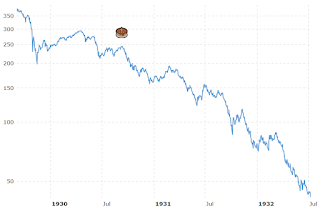
<ウォーレン・バフェット> 1930年が株価下落中の年だとは、世間では考えられていませんでした。大恐慌のさなかだとも思われず、過去にも10回は到来したような景気後退にちがいないと考えられていました。しかし株式市場がつねに重要だとは言えないのですが、当時の米国では数々の景気後退があったことで、その事態が通例を逸脱した激烈なものだとはみなされませんでした。しばしの間、すなわちわたしの誕生後10日間ほどは、株価は辛くも1-2%近く上昇しました。しかし、それが最後の日となりました。


そして次のスライドです。わが誕生日から数えはじめると、株式市場の水準は240から41に下落しました。これは特筆すべき下落です。わたしが産まれたときに1,000ドルもらったとして、そのお金でダウ平均を買っていたら、2年も経たないうちに170ドルに減ってしまうわけですから。これは、だれも経験したことのない事態でした。個別株を買えばそうなることもありえますが(笑)、米国企業全般を保有しているという点で、2年以内に83%の値下がり、あるいは1929年9月3日の最高値から89%の値下がりというのは、甚大極まりないできごとでした。


(Warren Buffett 36:47)

People did not think in the fall of 1930, they did not think they were in a great depression, they thought it was a recession very much like had occurred at least a dozen times, although not always when stock markets were important, but we'd have many recessions in the United States over that time, and this did not look like it was something dramatically out of the ordinary. For a while, actually for about 10 days after my birth, that'd be [inaudible 00:37:28] and the stock market actually managed to go up all of 1-2% there in those 10 days, but that's the last day.

(Warren Buffett 37:42)

Well, from that point, if you'll turn to the next slide, the stock market went from level of 240 to 241, which was a noticeable decline, because if somebody had given me $1,000 on the day I was born, and I'd bought stocks with it, and bought the Dow Average, my $1,000 would have become $170 in less than two years, and that is something that none of us here have ever experienced that we may have had it with one stock occasionally, but in terms of having a broad range of America mark down 83% in two years, and mark down 89% of the peak, that was in September 3rd, 1929, was extraordinary.

2020年5月21日木曜日

人間業を超えている(ハワード・マークス)

0 件のコメント:
前回分の投稿でご紹介したハワード・マークスのメモから、ひきつづき引用します。前回同様、特に現在の局面では予測することがいかに困難であるか、具体例をあげながら反語的に説明しています。(日本語は拙訳)

投資家にとって未来というものは、幾千もの要因から決定されます。経済下における諸活動や、参加者の心理、外因性のできごと、政府の行動、天候などのほかにも、ランダムに生じるその他の要素がかかわってきます。つまりは、莫大なほどに多変量であることが問題なのです。現在の状況では主たる要素が4つありますが(Covid-19、経済、原油、連銀)、そのひとつである「疫病」だけを取り上げて考えてみましょう。以下に、Covid-19に関連するあらゆる疑問をあげてみます。

・無症状の人も合わせると、どれだけの人がこのウィルスに感染しているのか。

・ある感染者が別の人を感染させるには、どの程度の接触が必要になるのか。 

・ディスタンシング(対人距離の確保)やマスク着用といった施策は、このウィルスの感染をどの程度抑止するのか。

・感染すると、症状の程度はどうなるのか。なぜ重症、軽症、無症状といった形に分かれるのか。

・医療従事者の使う個人防護具や、入院患者用ベッドや人工呼吸器は、適切に供給されていくのか。

・治療処置は向上していくのか。それによって、症状の回復期間がどの程度短縮されるのか。また致死率をどの程度低下できるのか。

・年齢・性別・事前条件ごとの致死率はどうなるのか。若年層における疫病の影響は悪化するのか。

・回復した感染者は免疫を獲得するのか。それは終生免疫なのか。

・このウィルスは変異するのか。免疫は変異後のウィルスにも効果を有するのか。

・感染を予防するために抗体を接種することは可能になるのか。

・さらなる感染拡大を効果的に防止するために集団免疫を成立させるには、どれだけの人が免疫を獲得しなければならないのか。

・ソーシャル・ディスタンシングを実行することは、集団免疫の成立時期を遅らせることにならないか。またスウェーデン方式は適切なものなのか。

・ワクチンは発明されるのか。そうだとしたら、いつなのか。また必要な数量のワクチンが生産されて現場に流通するのは、いつごろなのか。米国がそれを入手するには、どこの列に並べばいいのか。

・ワクチン接種を拒絶する人は何名ぐらいになるか。また、それによる影響はどうなるのか。

・ワクチン接種は毎年必要になるのか。

・このウィルスは高温高湿な季節になると減退するのか。

・このウィルスは、人間社会と永続的に共存していくのか。「もうひとつの季節病」として対処可能なものとなるのか。

結局のところ私が言わんとしているのは、「集団としてのリスクを把握するために、そういったあらゆる考慮事項のバランスをとれる人は皆無に近い」という点です。そして、これはCovid-19だけに限定した例です。他の3つの要素それぞれに関連する数多くの疑問点について考えてみるとなれば、どうなることでしょうか。「このような多くの疑問点に相対して適切な解答を見つけ出し、それらの相互関係を考慮した上で、重要性に基づきながら数々の検討事項に適切な重みづけをする」、ウィルスのもたらす影響に対して現実的な結論を得るためにそういった作業を実行できる人が、一体どこにいるのでしょうか。それらすべての要因を同時にさばき、他のだれよりも優れた結論を出すには、飛び抜けた頭脳を備えていなければならないでしょう。(その仕事がコンピューターにもできないのは、まちがいないと思います。歴史的な先例を欠くなかで、あらゆる主観的決定が要求されることを考慮すれば、なおさらです)

For investors, the future is determined by thousands of factors, such as the internal workings of economies, the participants' psyches, exogenous events, governmental action, weather and other forms of randomness. Thus the problem is enormously multi-variate. Take the current situation with its four major components (Covid-19, the economy, oil and Fed), and consider just one: the disease. Now think about all the questions surrounding it:

- How many people have it, including those who are asymptomatic?

- How likely is contact with someone who's infected to create another case?

- To what degree will distancing and masks deter its spread?

- Will the cases be severe, mild or asymptomatic? Why?

- Will the supply of protective gear for medical personnel, hospital beds and ventilators be adequate?

- Will a treatment be developed? To what extent will it speed recovery and prevent fatalities?

- What will the fatality rate be relative to age, gender and pre-existing conditions? Will the impact of the disease on young people worsen?

- Will people who've had it and recovered be immune? Will their immunity be permanent?

- Will the virus mutate, and will immunity cover the new forms?

- Will it be possible to inject antibodies to prevent infection?

- How many people have to be immune for herd immunity to effectively stop the further spread?

- Will social distancing delay the achievement of herd immunity? Is the Swedish approach better?

- Will a vaccine be invented? When? How long will it take to produce and deliver the needed doses? Where will the U.S. stand in the line to get it?

- How many people will refuse to be vaccinated? With what effect?

- Will vaccination have to be renewed annually?

- Will the virus succumb to warm weather and humidity?

- Will the virus be with us permanently, and will it be controllable like "just another seasonal disease"?

Where am I going with this? My point is that very few people can balance all these considerations to figure out our collective risk. And that's just Covid-19. Now think about the many questions that pertain to each of the three other factors. Who can respond to this many questions, come up with valid answers, consider their interaction, appropriately weight the various considerations on the basis of their importance, and process them for a useful conclusion regarding the virus's impact? It would take an exceptional mind to deal with all these factors simultaneously and reach a better conclusion than most other people. (I believe a computer couldn't do so either, especially given all the subjective decisions required in the absence of historic precedent.)