ot

2015年7月4日土曜日

2015年デイリー・ジャーナル株主総会(8)イーロン・マスクについて

0 件のコメント:
デイリー・ジャーナル社の株主総会の記事から、イーロン・マスクとテスラモーターズの話題です。前回分はこちらです。また引用元の記事は、ひきつづき本シリーズ5回目の投稿と同じです。(日本語は拙訳)

<質問> 最近のことですが、イーロン・マスク氏のインタビュー映像をYouTubeで観ました。「あなたと昼食を共にした」と彼は言っていました。そのときにあなたは、テスラが失敗するありとあらゆる種類の理由を彼に言ったそうですね(笑)。

おそれいりますが、なぜテスラが失敗するとお考えになっているのか、ご教授頂けますか。またBYD社はそのことからなにが学べるでしょうか。

<マンガー> 自動車業界は非常に厳しいところですよ。競合が激しく、最高のクルマを作ろうとどの会社も考えています。すでにどの企業も巨大で裕福となっています。だからテスラの商売はし烈だと考えるわけです。イーロン・マスクは天才です。あの仕事をやる人物がだれかと問われれば、たぶん彼こそがその人なのでしょう。

しかし我々はバークシャーでこう発言しています。「天才として評判の高い人物が、経営状況が厳しいことで評判の企業を指揮するときは、勝ち残るのはおそらく企業の評判のほうだ」と。政府の支援がなければ、電気自動車を離陸させるのは実にむずかしい仕事ですよ。しかし中国ではこの国よりもずっとうまくいきます。空気が汚れていますからね。

彼にとって本当に必要なのは、この国全体が致命的な大気汚染に見舞われ、たくさんの人が死に至る状況です。そのようなひどいことがない以上、むずかしくなっていくと思いますよ。彼は天才ですが、そうあらねばならないでしょう。

Q: I recently watched an Elon Musk interview on YouTube, in which he said he had lunch with you and you had given him all sorts of reasons why Tesla would fail.

[laughter]

Would you be kind enough to educate us why you thought Tesla would fail, and what BYD [ticker: BYDDF] can learn from this?

Mr. Munger: I think the auto business is very difficult, very competitive, and everybody is going to make wonderful cars. Everybody already has enormous size and wealth. So, I regarded it as a tough business. Elon Musk is a genius, and so if anybody has a chance to do it, he probably is the man.

But we have a saying at Berkshire that when a man with a reputation for genius takes on a business with a reputation for tough operating conditions, it's the reputation of the business that's likely to prevail. Without government help, getting electric cars off the ground is really hard. In China, it works a lot better than it does here, because their air is worse.

What Elon Musk really needs is for the whole country to have a disastrous smog attack that kills a lot of people. Short of something terrible like that, I think it's going to be difficult. He's a genius, but is going to have to be.

備考です。イーロン・マスクに対するチャーリーの見立ては過去記事で取りあげています。

2015年7月2日木曜日

なにもかも知る必要はない(スティーブン・ローミック)

0 件のコメント:
バリュー志向のファンド・マネージャーであるスティーブン・ローミック氏は、個人的に尊敬しているマネージャーのひとりです。彼が最近講演した内容がファンドのWebサイトに掲載されていたので一読しました。楽しんで読め、全編が参考になりました。徹底したバリュー投資家である彼のファンドでは現金比率を高めており、同業者やインデックスとの比較という意味で厳しい時期のようです。しかし、みずからの方針に疑念を抱かぬ彼がふたたび称賛される日がやってくる可能性は高いと思います。

今回は同文書から2か所を引用します(図表も同じ文書から引用)。ひとつめが米国の債務に関する話題で、もうひとつは彼の投資スタイルについてです。(日本語は拙訳)

Don't Be Surprised - Steven Romick's speech to CFA Society of Chicago [PDF] (FPA)

2008年以来、米国での家計及び金融部門における債務の減少幅は3兆3千億ドルでした。しかし政府部門の債務は6兆7千億ドル増加し、政府と民間を合計した全債務の22%を占めています。6年前とくらべると10ポイント増加しています。

政府自身が輪転機を保有しているので、債務返済の面で個人や企業と同じ原理には拘束されていません。しかし10年前には量的緩和という言葉を聞いたことはなかったのですが、現在の中央銀行はあらゆるものが釘であるかのように、そのかなづちを振るっています。わたしが想像したいと考える以上に、このゲームは長期間つづくかもしれません。その間には通貨価値が潜在的に減価していく影響を伴うでしょう。(PDFファイル11ページ目)


Since 2008, total U.S. household and financial sector debt declined $3.3 trillion but government debt has increased $6.7 trillion and now represents 22% of total public and private debt, up ten percentage points from 6 years ago.

Since governments own printing presses, they are not bound by the same debt repayment principles as individuals and corporations. I hadn't heard of quantitative easing a decade ago and now central bankers are using that hammer as if everything is a nail. So, the game can be afoot for longer than I care to imagine, with a potential long-term impact of undermining currencies.

そのためわたしたちは、すばらしい企業をまずまずの値段で、あるいはそこそこの企業を破格の値段で買える機会をみつけることに力を尽くしたいと考えます。その際には単純にやっていきたいと思います。打ち明けますと、いつでもそうしてきたわけではないです。初期の頃には、かなり深入りしていました。企業やその業界のことは全部知っていないと済まない性質でした。そこから学んだことがあります。たくさん知らなくても大丈夫だということ、つまりその会社を動かしているものを一つから三つ特定できればいい、ということです。精確さを追求しても得られるものは少ないと強く感じています。それよりも、結果のとりうる範囲を見極めるほうをえらびます。厳密にやってまちがえるよりも、正しい方角を向いていたいと考えます。

わたしたちは次のような問いに答えるために、多くの時間を費やしています。「この事業はいかにして動いているのか」「なぜこの機会が存在するのか」、その上で「もしそうだとしたらどうなるのか」。投資で成功するには、勝者をみつけるのと同じように敗者を避けることも大切です。それがわかったことでわたしたちは、「好ましい主張を逆転させて、薄暗い色のメガネでみつめる」やりかたをとるようにしました。喜ばしいことにそういったすべてが、寝耳に水のありがたくない事態を減らしてくれるのです。

株式に付けられている値段がちがうと、問いかけられる質問もちがうものになります。値段が高いときとくらべると安いときのほうが、答えるべき質問は少ない数で済みます。たとえばコンテナ船を擁する会社に対して、所有する船団をスクラップにした価値しか考慮しない値段がついているとします。そのときには二つ三つの問いに答えれば十分です。「市場が反転するまでに現金がどれだけ費消されうるのか」「財務の状況はそれを支えられるのか」といった質問です。反対に、同じコンテナ船会社のキャッシュフローが現在良好だとします。デイ・レート[1日当たりの傭船料]が高く、簿価の2倍の株価で取引されているとします。その場合にはデイ・レートの水準がどれだけ継続するかにかかってくるでしょう。そしてさらに問われるのが「経営陣がフリー・キャッシュフローを賢明に使うかどうか」です。先にあげた例では、資本配分の意思決定についてはあまり気にする必要がありませんでした。フリー・キャッシュフローと資金的な柔軟性のどちらも欠けていたからです。

今日わたしたちが目を通している価値評価基準のどれもが、企業がいっそう高いほうへ取引されていることを示しています。つまり、さらにむずかしい質問が増えて、その答えをみつけるのにもっと奮闘しなければならないことを意味しています。(PDFファイル12ページ目)

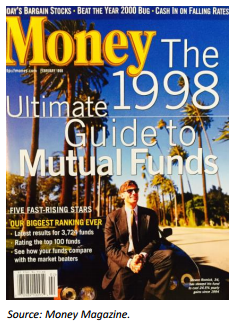
1998年のスティーブン・ローミック氏(当時34歳)、Money誌の表紙に。

We will therefore continue to focus our energies on the search for great businesses at good prices or decent businesses at great prices. We try and keep it simple. I confess that I didn't always operate this way. In my early years, I ended up too much in the weeds. I had to know everything about a company and its industry. I've since learned that knowing less is okay as long as you have identified the one to three things that will drive the company. We believe exactness offers little so we prefer to establish a potential range of outcomes instead. We'd rather be directionally right rather than precisely wrong.

We spend a lot of time asking such questions as: "How does the business work?" "Why does this opportunity exist?" And then, "What if?" Knowing that successful investing is as much about finding winners as it is about avoiding losers, we invert a favorable thesis so as to see it through less rose-colored lenses, all of which hopefully limits negative surprises.

Stocks ask you different questions at different prices. One needs fewer answers at a low price versus a high price. For example, a container ship company priced as if its vessels are worth just scrap value requires only a couple of questions like, "How much cash might be burned before the market rebounds?" and "Can its balance sheet support that?" Whereas if you bought that same container ship company with good current cash flow but day rates are at highs and its stock is trading at two times book value, you'd be far more dependent on the sustainability of the day rate. You'd then have to ask whether or not the management team would spend their free cash flow wisely. In the first case, you'd worry less about their capital allocation decisions because they'd be lacking free cash flow and financial flexibility.

Today, every valuation measure we see points to companies trading on the more expensive side. That means a lot more difficult questions and more of a struggle to find the answers.

2015年6月30日火曜日

2015年バークシャー株主総会;アメックスについて

0 件のコメント:
5月2日に開催されたバークシャー・ハサウェイの年次株主総会から、今回はウォーレン・バフェットがアメックスについて語ります。前回分はこちらです。(日本語は拙訳)

<質問> アメリカン・エキスプレスは、モバイル端末決済による影響や顧客のコストコを失ったなかで、競争上の優位性をどのようにして守っていくのでしょうか。

<バフェット> アメリカン・エキスプレスは多くのイノベーションやさまざまな形の攻撃にさらされていくと思います。同社は非常に特別な企業です。たとえばCEOのケン・シュノールトは変化が起こることを予期して、異なる市場へと会社を導いてきました。またアメックスのカードを持つ人たちからは、大きな支持を集めています。同社へ投資していることにすごく満足しています。株価が下がるのはうれしいですよ。同社が自社株を安く買えますから。

<マンガー> 競争が厳しくなければ、アメックスのことをもう少しうまく好きになれるのですがね。しかしこれが人生というものです。

<バフェット> アメックスが変化に適合してきた歴史は見事なものです。カードの保有者に対して同社は良い印象を確立してきました。数々の挑戦に立ち向かうという点で、非常に迅速ですし、賢明にやっています。同社の15%をわたしたちが保有していて、大いに満足しています。

When asked how American Express will protect its competitive moat given the impact of mobile payments and the loss of Costco as a customer, Buffett said American Express will be subject to lots of innovation and various modes of attack. It's a very special company. Ken Chenault, the CEO, has anticipated changes and guided the company into different markets. There's a lot of loyalty with American Express cardholders. Buffett is very happy with American Express. He is happy when the stock price goes down, so American Express can buy back shares more cheaply.

Charlie added, "I liked American Express a little better when they had less competition, but that is life."

Buffett described Berkshire's history in owning American Express, noting they did wonders for Berkshire back in the 1960s. American Express has an incredible history of adapting to change. They established a better image for cardholders. They are very nimble and very smart in terms of meeting challenges. Buffett concluded, "I'm delighted we own 15% of the company."

2015年6月28日日曜日

2015年デイリー・ジャーナル株主総会(7)アメックスについて

2 件のコメント:
デイリー・ジャーナル社の株主総会の記事から、チャーリー・マンガーがアメックスに関する質問に答えます。前回分投稿のポスコの話題と主題が重なります。なお引用元の記事は本シリーズの5回目の投稿と同じです。(日本語は拙訳)

<質問> アメリカン・エキスプレスについておうかがいしたいのですが、近年になって同社のmoat[経済的な優位性]が狭まったとお考えですか。

<マンガー> コストコの契約を失ったのはよくなかったと思いますね。資本主義というものがいかに厳しいか、この件ももうひとつの事例です。他のどこかが喜んで安値を提示したにちがいありません。現代の資本主義社会では鉄壁の守りとみられる位置を占めるのがどれだけ厳しいか、まさに示しています。あらゆるものがむずかしくなっていくわけです。

すでにある程度儲けた人にとっては、まあそういうものだと思いますよ。アメリカン・エキスプレスは長期にわたって途方もない業績をあげて大きく成長しましたし、これからもますます繁栄するでしょう。しかし、かつてほどには楽ではありません。同社の大将は「ずっと大変だった」と言うと思います。たしかに彼は奮闘してきましたが、我々だってこの業界で懸命に漕ぎつづけました。デイリー・ジャーナル社の出版事業に対して、その頑張りがどれだけ役に立ったでしょうか。そうでしょう、ゲリー。狂ったように漕ぎましたよね。

<CEOのジェラルド・ソルツマン氏> はい、そう努めてきました。大変でした。

<マンガー> そうでしょう。それでどうなったかと言えば、縮小しっぱなしです。世の中というのは甘くないですよ。

Q: I'd like to get your thoughts on American Express [AMEX]. Do you think its moat has narrowed recently?

Mr. Munger: I don't think it was desirable that it lost its contract with Costco [COST]. Again, that's an example of what tough capitalism is. Obviously, other people are willing to do it cheaper. It just shows how tough a position that looks impregnable can be in modern capitalism. It's what makes everything difficult.

To those who already have some money, I think that's just the way it is, and American Express has had a long period of very extreme achievement and prosperity. I think they'll have a lot of prosperity in the future, but it doesn't look quite as easy as it once did. Now, the head guy would say it's always been hard, he's been battling hard, but we paddled hard here too, and what good did it do us in Daily Journal's print business? We paddled like crazy, didn't we Gerry?

Mr. Salzman: We tried. It was hard.

Mr. Munger: Yeah, what happened is you just keep receding and receding. Welcome to adult life.

備考です。コストコがアメックスとの提携をやめる件は、次のニュース記事が示しているもののようですね。VisaとCitiに変更とのことです。

Costco is replacing American Express with Visa and Citi (Business Insider)

2015年6月26日金曜日

2015年バークシャー株主総会;エクソンモービル等への投資について

0 件のコメント:
5月2日に開催されたバークシャー・ハサウェイの年次株主総会から、エクソンモービルやコノコフィリップス株を売却した話題です。前回分はこちらです。(日本語は拙訳)

<質問> エネルギー関連の投資、つまりコノコフィリップスやエクソンモービルへの投資で、バークシャーは損失を出しましたか。循環的な事業ですから、エネルギー関連へ今後投資する際にはバークシャー・ハサウェイ・エナジー社(BHE)でCEOをしているグレッグ・アベルが担当したほうがよいのでしょうか。

<バフェット> BHEは社名にエネジーと付いていますが、実際はコノコフィリップスやエクソンとは別の業種です。BHEでは多額の資金を投じる機会を求めていますが、いずれは実現するでしょう。1995年にミッドアメリカン社(BHEの旧社名)に買収をもちかけたときは、1株当たり35ドルを提示しました。「提示金額は変えませんよ」と言ったのですが、その後厳しい交渉が続いて、もう少し出すように要求されました。合意した金額は1株あたり35.05ドルでした。「わたしから最後の1円まで搾り取ったと公言できますね」と言っておきましたよ。現在のBHE社は1株当たり30ドルの利益をあげています。それが35.05ドルになるにはそれほど時間がかからないでしょう。

BHEは、それらエネルギー関連の2社への投資にたとえられるものではありません。バークシャーがコノコフィリップスへ投資した事実を記載しましたが、これは規制当局がそのように義務付けているからです。その投資では利益が若干出ましたし、エクソンモービルでも同じでした。バークシャーが石油ガス関連の銘柄を買うことはそれほどありませんし、石油ガス銘柄の投資についてわたしたちは第一人者にはなりませんでした。しかし今後も機会がないかさがして、買うかどうかを決断するでしょうが、心変わりすることもあると思います。石油ガス銘柄では利益が少し出ました。また、もっと利益が出たかもしれない別のひとつふたつの投資も引き上げました。

<マンガー> これほどの低金利ですから、現金で持っておく代わりとしてエクソンモービル株は悪くない投資でしたよ。(p.18)

A shareholder noted that Berkshire has lost money on several energy investments such as ConocoPhillips and ExxonMobil. These are cyclical businesses. The shareholder asked whether future energy investments should be done by Greg Abel, CEO of Berkshire Hathaway Energy (BHE).

Buffett said BHE has energy in their name, but they are really in a different business than ConocoPhillips or Exxon. BHE is looking for an opportunity to spend big money on energy and will do so in the future. When Buffett offered to buy MidAmerican in 1995 for $35 per share, he told them he didn't change his offer prices. They continued to negotiate hard and said you have to give us something. Buffett agreed to pay $35.05 per share and told them they could say they got the last nickel out of him. Today, BHE earns $30 per share, and it will earn $35.05 per share before too long.

BHE is not at all analogous to the other two energy investments. Berkshire wrote the ConocoPhillips investment down, because auditing rules required them to do so. Berkshire actually made a little money on the investment as well as on ExxonMobil. Berkshire will not very often buy oil and gas stocks and has not distinguished themselves on oil and gas stock investments. Buffett will look at available opportunities and make decisions on buying something and sometimes he will change his mind. Berkshire has made a little money on oil and gas stocks and has passed up one or two other opportunities where they could have made a lot of money.

Charlie added that the ExxonMobil investment was not a bad cash substitute with interest rates so low.

別の話題ですが、バークシャーの株主総会でウォーレンが「貯蓄に勤しむ良き習慣をみなさんのお子さんへ一連のマンガを通じて楽しめる形で示す」と発言したのを1カ月ほど前の投稿でとりあげました。そのときは具体的になにを指しているのか把握できないまま訳したのですが、どうやら最近話題になっている以下のサイトがそれだったようです。

Secret Millionaires Club with Warren Buffett