ot

2013年5月18日土曜日

全額投資について(セス・クラーマン)

2 件のコメント:
ファンド・マネージャーのセス・クラーマンの著書『Margin of Safety』からの引用です。前回につづいて今回も第3章「成績競争にいそしむ機関投資家、負けるのは顧客」(The Institutional Performance Derby: The Client Is the Loser)からご紹介します。前回分はこちらです。(日本語は拙訳)

繰り返しになりますが、Wikipediaによれば、同氏のファンドBaupostは預かり資産3兆円近くに達するヘッジファンドです。

資金全額を常時投資することについて

機関投資家は常に資金全額を投資することを自ら強要しているため、あまり柔軟に対応できないことが多い。自分の仕事は銘柄を選ぶことであり、マーケット・タイミング(投資する時期)をはかることでない、と彼らの多くは解釈している。顧客のほうがマーケット・タイミングを判断した上で、全額を投資するように資金をゆだねている、と機関投資家は信じているのだ。

資金全額を常時投資するとなれば、投資という仕事はたしかに単純なものとなる。投資家は現時点で有効な最善の投資をえらぶだけでよくなるからだ。相対的にみたときの魅力の多寡が投資をきめる唯一の判断基準となり、絶対的な水準には照らしあわせないことになる。全額投資するという単なる規則にしたがって基準以下の投資をする人は、投資における利点という重要な基準を残念ながら理解していないか、うしなっている。よくて月並みなリターンを生むにおわり、悪ければこれからくる良き投資機会を失うという高い機会費用を支払った上で、巨額の損失に至るリスクもかかえることになる。

常時全額投資という方針は、相対評価志向と通じるものがある。市場に打ち勝ち、かつ大きく離されないことが目的だとすると(特に短期的な視野で)、100パーセント投資しつづけるのは理にかなっている。あえて待機するよう指示されている以外のファンドは、市場の成績を下回らないためには資金を市場へ投下せざるをえない。

それとは対照的に、絶対評価志向にもとづく投資家は、絶対的な価値基準に見合うときだけ投資に踏みきる。見合った機会がふんだんにあり、なおかつ確信に足る魅力があるときだけ全額投資をえらぶだろうし、その条件がどちらも満たされなければもっと少ない金額しか投資しない道を好むだろう。投資の世界では、なにもしないことが最善というときがある。しかし機関投資家のマネージャーは競争相手の大多数が同じほうへ傾かないかぎり、この別案を採用したがらない。(p.44)

Remain Fully Invested at All Times

The flexibility of institutional investors is frequently limited by a self-imposed requirement to be fully invested at all times. Many institutions interpret their task as stock picking, not market timing; they believe that their clients have made the market-timing decision and pay them to fully invest all funds under their management.

Remaining fully invested at all times certainly simplifies the investment task. The investor simply chooses the best available investments. Relative attractiveness becomes the only investment yardstick; no absolute standard is to be met. Unfortunately the important criterion of investment merit is obscured or lost when substandard investments are acquired solely to remain fully invested. Such investments will at best generate mediocre returns; at worst they entail both a high opportunity cost - foregoing the next good opportunity to invest - and the risk of appreciable loss.

Remaining fully invested at all times is consistent with a relative-performance orientation. If one's goal is to beat the market (particularly on a short-term basis) without falling significantly behind, it makes sense to remain 100 percent invested. Funds that would otherwise be idle must be invested in the market in order not to underperform the market.

Absolute-performance-oriented investors, by contrast, will buy only when investments meet absolute standards of value. They will choose to be fully invested only when available opportunities are both sufficient in number and compelling in attractiveness, preferring to remain less than fully invested when both conditions are not met. In investing, there are times when the best thing to do is nothing at all. Yet institutional money managers are unlikely to adopt this alternative unless most of their competitors are similarly inclined.

2013年5月16日木曜日

株式時価総額とGDPの比較グラフ

2 件のコメント:
久しぶりにGDPの話題です。ウォーレン・バフェットが株式市場全体の値ごろ感をみるときに、株式時価総額がGNP(≒GDP)の何%に相当するか比較する話はよく知られています。個人的にもそのやりかたをまねして、ときおり日本にも当てはめています。以下の2か所のデータを使って算出しています。

国民経済計算(GDP統計) (内閣府)
東証株式時価総額 (東京証券取引所)

なお他取引所については、小規模だったり東証との重複上場があるため、個人的には考慮に入れていません。

さて、今回ご紹介する以下のWebサイトですが、自分が望んでいたそのものが掲載されており、とてもありがたいものでした。上述の計算結果が昔からのデータを使ってグラフ化されています。

Japan Market Capitalization to GDP (VectorGrader)

同サイトからグラフを2つほどお借りします。まず日本市場における株式時価総額対GDP(1970年以降)のグラフです(上部が時価総額対GDP、下部がおそらく日経平均)。


これをみて意外だったのは、日本市場では株価の高かった2000年当時よりも、直近のピークである2007年のほうが時価総額が大きかったことです。経済の裾野が広がったということでしょうか。

一方、アメリカ株式市場の状況(1950年以降)は次のグラフです(下部はおそらくS&P500)。


個人的な見解になりますが、この指標は厳密な指針を与えてくれるものとはとらえていません。「方向性がだいたい当たっている」程度のものと受けとめています。ちなみに2001年当時のウォーレンの発言では、GNP比で70-80%あたりを下回った時に買えばうまくいくとしています。

ご参考までに、以下の過去記事でもGDPについてふれています。コメント欄では、独自の分析結果をご紹介して頂いています。

GDP成長率と株式リターン率の関係(GMO)

(追記)コメント欄でご指摘を頂いています(NIGHT0878さんより)。2000年当時の日経平均は、銘柄入替え時に不連続性が生じているとのことです。

2013年5月14日火曜日

世界はわれらとともにあり(チャーリ・マンガー)

0 件のコメント:
チャーリー・マンガーによる講演『経済学の強みとあやまち』の2回目です。前回分はこちらです。今回の文章は、今までにご紹介してきた話題の集合体のようになっています。ご参考までに、各々の参考記事へリンクしました。(日本語は拙訳)

同じようなことをUCLAの医科大学院にあるジュールズ・スタイン眼科研究所で目の当たりにしたので、私はあるとき質問してみました。「白内障を治療するのに、まるで時代遅れの方法でしかやらないのはどうしてですか」。その人が答えました。「チャーリー、これは教えるのにもってこいの手術法なんですよ」。彼がその手術法をやめることになったのは、患者がそろって拒絶したからでした。くりかえしますが、結末を変えたいのであれば、理由ではなくて利害に訴えることです(過去記事)。

バークシャーでは、効率的市場理論のハード・フォーム版に一分たりとも注意をむけることなく、業績を積み重ねてきました。その考えは経済学の世界から派生して企業財務へ進み、資本資産価格モデルのような堕落したものへと姿を変えていますが、そちらのほうも我関せずです。ボラティリティーの高い株に投資さえすれば7%の超過利益を苦もなく得られると考えている人は、歯の妖精でも信じたらどうでしょうか(過去記事)。

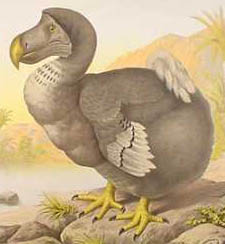
みなさんがどうお感じかわかりませんが、こういったことが実際に信じられていたのです。ジュールズ・スタイン眼科研究所の医者と同じですね。しかし信じるものは報われ、それゆえに広まっていきました。いまだに少なからぬ人が信じています。しかしバークシャーではまったく気にかけていませんし、世の中もわれわれの側についてくると思います。「市場のもたらすあらゆる帰結は完璧である」という考えは、いずれドードー[鳥]と同じ道をたどるでしょう。

株式市場は完璧に効率的なものではないとする考えは、私にはわかりきったことでした。十代の頃にオマハの競馬場へ通っていましたが、そこはパリミュチュエル方式の世界でした。胴元である競馬場が17パーセント分をとった後に、17パーセントよりずっと少ない損失にとどめて賭けを続けていた人もいれば、17パーセント超の損失を出しつづける人もいました。私からすればこれはいたって当たり前のことで、オマハのパリミュチュエル方式は「完璧に効率的」という代物ではなかったのです。ですから、合理的な価格を作り出すという意味において株式市場が常に完璧に効率的だとする主張は、私には受け入れられません(過去記事)。

実のところ、競争馬だけでなくオッズのこともよく理解している人が場外取引で競馬場に打ち勝っている事例が報告されています。大勢ではないですが、そういうことをできる人がこの国には幾人かいるのです。

I watched the same thing happen at the Jules Stein Eye Institute at UCLA. I asked, at one point, “Why are you treating cataracts only with a totally obsolete cataract operation?” And the man said to me, “Charlie, it's such a wonderful operation to teach.” When he stopped using that operation, it was because almost all the patients had voted with their feet. Again, appeal to interest and not to reason if you want to change conclusions.

Well, Berkshire's whole record has been achieved without paying one ounce of attention to the efficient market theory in its hard form. And not one ounce of attention to the descendants of that idea, which came out of academic economics and went into corporate finance and morphed into such obscenities as the capital asset pricing model, which we also paid no attention to. I think you'd have to believe in the tooth fairly to believe that you could easily outperform the market by seven percentage points per annum just by investing in high-volatility stocks.

Yet, believe it or not, like the Jules Stein doctor, people once believed this stuff. And the belief was rewarded. And it spread. And many people still believe it. But Berkshire never paid any attention to it. And now, I think the world is coming our way, and the idea of perfection in all market outcomes is going the way of the dodo.

It was always clear to me that the stock market couldn't be perfectly efficient, because, as a teenager, I'd been to the racetrack in Omaha where they had the pari-mutuel system. And it was quite obvious to me that if the house take, the croupier's take, was seventeen percent, some people consistently lost a lot less then seventeen percent of all their bets, and other people consistently lost more than seventeen percent of all their bets. So the pari-mutuel system in Omaha had no perfect efficiency. And so I didn't accept the argument that the stock market was always perfectly efficient in creating rational prices.

Indeed, there have been some documented cases since of people getting so good at understanding horses and odds that they actually are able to beat the house in off-track betting. There aren't many people who can do that, but there are a few people in America who can.

ドードーは分類学上、「ハト目」とのことです。

(Wikipedia「ドードー」より)

2013年5月12日日曜日

個別銘柄の価値に着目すること(ジョン・テンプルトン)

4 件のコメント:
ジョン・テンプルトンの「投資で成功するための16のルール」から、今回はルールその6「着目するのは投資対象の価値であって、市場動向や景気の見通しではない」の説明文をご紹介します。引用元はこちらです。(日本語は拙訳)

(ルールその6) 着目するのは[投資対象の]価値であって、市場動向や景気の見通しではない

株式市場は「株式」を売買する市場だということを、賢い投資家は理解しています。強気相場の勢いによって個々の銘柄が持ち上げられることもありますが、究極的には市場を決めるのは個別銘柄であり、その逆ではありません。市場動向や経済情勢ばかりに目を向ける投資家があまりに多すぎます。しかし個別の銘柄をみれば、弱気相場でも上げていたり、強気相場でも値下がりしています。

株式市場と経済は常に同じ足取りで歩むとはかぎりません。景気が後退局面でなくても弱気相場はやってきますし、企業収益が全体的にみて悪化してもそれにあわせて株価が下落するともかぎりません。ですから市場動向や経済の見通しにもとづいて株を買うのではなく、あくまでも個別銘柄の状況をみて買うことです。

No.6 BUY VALUE, NOT MARKET TRENDS OR THE ECONOMIC OUTLOOK

A wise investor knows that the stock market is really a market of stocks. While individual stocks may be pulled along momentarily by a strong bull market, ultimately it is the individual stocks that determine the market, not vice versa. All too many investors focus on the market trend or economic outlook. But individual stocks can rise in a bear market and fall in a bull market.

The stock market and the economy do not always march in lock step. Bear markets do not always coincide with recessions, and an overall decline in corporate earnings does not always cause a simultaneous decline in stock prices. So buy individual stocks, not the market trend or economic outlook.

2013年5月10日金曜日

資本主義、万歳(チャーリー・マンガー)

0 件のコメント:
チャーリー・マンガーによるハーヴァード・ウェストレイク高校での講話その12、ひきつづき会計士の話題です。この一節でのチャーリーの皮肉は強烈です。前回分はこちらです。(日本語は拙訳)

この[-音声不明瞭-]な文明において、いったい誰がそんな考えにみちた会計をやっているのでしょうか。そう、われらが一流の会計士です。よろこんで一族に迎え入れたい人物です。恥ずべきことなど、みじんも持たない人たちです。アプトン・シンクレアが指摘していた人物のようですね。食っていくために信じなければならないことを彼らは信念としているのです。その会計士たちには我慢しがたい考えがあります。合理性が要求される場面では現実性があること、つまり将来になってから回収されるものは合理的に判断されなければならない、という考えです。実際のところ、ここから何が感じられますか。原告側の弁護士が彼らを訴えてきて、仕事ができなくなってしまう。会計士たちはそんな風に感じているのです。彼らにとって、これは耐えられないことです。そうであれば現実と向き合うよりも、数字をまちがったままにしておき、その数字ゆえに我々が経験したようなごたごたが生じるほうをえらびます。単に自分にとって気楽な会計上の取扱いを無意識に選んでいるのです。これは、ジュールズ・スタイン眼科研究所の外科医を思い起こさせます。私は彼にこう質問しました。「白内障の手術をするのに、まったくもって時代遅れなやりかたをするのはなぜですか」。私の左目がダメになる前に、正しくもそれを診断した天才は答えました。「チャーリー、これは人に教えるにはもってこいの手術法なんですよ」。作り話などではありませんよ。実際にインターンたちを訓練するならば、ものすごくいい経験になります。ジュールズ・スタイン眼科研究所の彼が時代遅れのやりかたで白内障の手術をするのを、どうしてやめることになったのかわかりますか。彼に手術してもらうのを患者がこぞって拒否したからです。これぞ資本主義が成しとげた栄光のひとつですね。あまりに愚かしい人に対しては、拒絶という手段によって顧客はしばしば現実をみせつけることができるのです。

Who in the hell would have this kind of accounting that had any sense of all in a [audio unintelligible] civilization? It’s our leading accountants, the people you’d be glad to have marry into your family. And not one of them has the least tinge of shame. They are like Upton Sinclair, they believe what they have to believe to make a living. What the accountants can’t stand is the idea that if you made them do what rationality requires, make this thing realistic - make it a reasonable judgment about what is going to be really collected in the future. What’s really sound here? They sense that plaintiffs’ lawyers will sue them and they really won’t be able to do it. That is unendurable to them. They would rather have the figures all wrong and the figures create the kind of a mess that we’ve had than face reality. On a subconscious level, they just choose the accounting that makes it easy for them to do. It’s like a surgeon once said [at] the Jules Stein Eye Institute [when] I asked him, ‘Why are you doing a totally obsolete cataracts operation?’ This guy was a genius who correctly diagnosed my left eye before it went out for good and he said, ‘Charlie, it’s such a wonderful operation to teach.’ I’m not inventing this story. I mean, if you are really training a bunch of interns, I mean, this was a hell of a wonderful experience and you know how he stopped doing an obsolete cataracts operation at the Jules Stein Eye Institute? When the patients all voted with their feet. That is one of the glories with capitalism. If people are asinine enough, the customers will frequently bring reality to bear by voting with their feet.


余談です。チャーリーはずっと前から片目がほとんどみえないことは、よく知られた事実です。おなじように隻眼として知られる投資家にマイケル・バーリ(過去記事など)がいますが、彼もチャーリーの講演に深く共感しているとしていました。