ot

2013年5月14日火曜日

世界はわれらとともにあり(チャーリ・マンガー)

0 件のコメント:
チャーリー・マンガーによる講演『経済学の強みとあやまち』の2回目です。前回分はこちらです。今回の文章は、今までにご紹介してきた話題の集合体のようになっています。ご参考までに、各々の参考記事へリンクしました。(日本語は拙訳)

同じようなことをUCLAの医科大学院にあるジュールズ・スタイン眼科研究所で目の当たりにしたので、私はあるとき質問してみました。「白内障を治療するのに、まるで時代遅れの方法でしかやらないのはどうしてですか」。その人が答えました。「チャーリー、これは教えるのにもってこいの手術法なんですよ」。彼がその手術法をやめることになったのは、患者がそろって拒絶したからでした。くりかえしますが、結末を変えたいのであれば、理由ではなくて利害に訴えることです(過去記事)。

バークシャーでは、効率的市場理論のハード・フォーム版に一分たりとも注意をむけることなく、業績を積み重ねてきました。その考えは経済学の世界から派生して企業財務へ進み、資本資産価格モデルのような堕落したものへと姿を変えていますが、そちらのほうも我関せずです。ボラティリティーの高い株に投資さえすれば7%の超過利益を苦もなく得られると考えている人は、歯の妖精でも信じたらどうでしょうか(過去記事)。

みなさんがどうお感じかわかりませんが、こういったことが実際に信じられていたのです。ジュールズ・スタイン眼科研究所の医者と同じですね。しかし信じるものは報われ、それゆえに広まっていきました。いまだに少なからぬ人が信じています。しかしバークシャーではまったく気にかけていませんし、世の中もわれわれの側についてくると思います。「市場のもたらすあらゆる帰結は完璧である」という考えは、いずれドードー[鳥]と同じ道をたどるでしょう。

株式市場は完璧に効率的なものではないとする考えは、私にはわかりきったことでした。十代の頃にオマハの競馬場へ通っていましたが、そこはパリミュチュエル方式の世界でした。胴元である競馬場が17パーセント分をとった後に、17パーセントよりずっと少ない損失にとどめて賭けを続けていた人もいれば、17パーセント超の損失を出しつづける人もいました。私からすればこれはいたって当たり前のことで、オマハのパリミュチュエル方式は「完璧に効率的」という代物ではなかったのです。ですから、合理的な価格を作り出すという意味において株式市場が常に完璧に効率的だとする主張は、私には受け入れられません(過去記事)。

実のところ、競争馬だけでなくオッズのこともよく理解している人が場外取引で競馬場に打ち勝っている事例が報告されています。大勢ではないですが、そういうことをできる人がこの国には幾人かいるのです。

I watched the same thing happen at the Jules Stein Eye Institute at UCLA. I asked, at one point, “Why are you treating cataracts only with a totally obsolete cataract operation?” And the man said to me, “Charlie, it's such a wonderful operation to teach.” When he stopped using that operation, it was because almost all the patients had voted with their feet. Again, appeal to interest and not to reason if you want to change conclusions.

Well, Berkshire's whole record has been achieved without paying one ounce of attention to the efficient market theory in its hard form. And not one ounce of attention to the descendants of that idea, which came out of academic economics and went into corporate finance and morphed into such obscenities as the capital asset pricing model, which we also paid no attention to. I think you'd have to believe in the tooth fairly to believe that you could easily outperform the market by seven percentage points per annum just by investing in high-volatility stocks.

Yet, believe it or not, like the Jules Stein doctor, people once believed this stuff. And the belief was rewarded. And it spread. And many people still believe it. But Berkshire never paid any attention to it. And now, I think the world is coming our way, and the idea of perfection in all market outcomes is going the way of the dodo.

It was always clear to me that the stock market couldn't be perfectly efficient, because, as a teenager, I'd been to the racetrack in Omaha where they had the pari-mutuel system. And it was quite obvious to me that if the house take, the croupier's take, was seventeen percent, some people consistently lost a lot less then seventeen percent of all their bets, and other people consistently lost more than seventeen percent of all their bets. So the pari-mutuel system in Omaha had no perfect efficiency. And so I didn't accept the argument that the stock market was always perfectly efficient in creating rational prices.

Indeed, there have been some documented cases since of people getting so good at understanding horses and odds that they actually are able to beat the house in off-track betting. There aren't many people who can do that, but there are a few people in America who can.

ドードーは分類学上、「ハト目」とのことです。
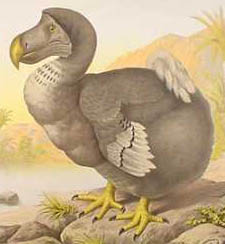
(Wikipedia「ドードー」より)

2013年5月12日日曜日

個別銘柄の価値に着目すること(ジョン・テンプルトン)

4 件のコメント:
ジョン・テンプルトンの「投資で成功するための16のルール」から、今回はルールその6「着目するのは投資対象の価値であって、市場動向や景気の見通しではない」の説明文をご紹介します。引用元はこちらです。(日本語は拙訳)

(ルールその6) 着目するのは[投資対象の]価値であって、市場動向や景気の見通しではない

株式市場は「株式」を売買する市場だということを、賢い投資家は理解しています。強気相場の勢いによって個々の銘柄が持ち上げられることもありますが、究極的には市場を決めるのは個別銘柄であり、その逆ではありません。市場動向や経済情勢ばかりに目を向ける投資家があまりに多すぎます。しかし個別の銘柄をみれば、弱気相場でも上げていたり、強気相場でも値下がりしています。

株式市場と経済は常に同じ足取りで歩むとはかぎりません。景気が後退局面でなくても弱気相場はやってきますし、企業収益が全体的にみて悪化してもそれにあわせて株価が下落するともかぎりません。ですから市場動向や経済の見通しにもとづいて株を買うのではなく、あくまでも個別銘柄の状況をみて買うことです。

No.6 BUY VALUE, NOT MARKET TRENDS OR THE ECONOMIC OUTLOOK

A wise investor knows that the stock market is really a market of stocks. While individual stocks may be pulled along momentarily by a strong bull market, ultimately it is the individual stocks that determine the market, not vice versa. All too many investors focus on the market trend or economic outlook. But individual stocks can rise in a bear market and fall in a bull market.

The stock market and the economy do not always march in lock step. Bear markets do not always coincide with recessions, and an overall decline in corporate earnings does not always cause a simultaneous decline in stock prices. So buy individual stocks, not the market trend or economic outlook.

2013年5月10日金曜日

資本主義、万歳(チャーリー・マンガー)

0 件のコメント:
チャーリー・マンガーによるハーヴァード・ウェストレイク高校での講話その12、ひきつづき会計士の話題です。この一節でのチャーリーの皮肉は強烈です。前回分はこちらです。(日本語は拙訳)

この[-音声不明瞭-]な文明において、いったい誰がそんな考えにみちた会計をやっているのでしょうか。そう、われらが一流の会計士です。よろこんで一族に迎え入れたい人物です。恥ずべきことなど、みじんも持たない人たちです。アプトン・シンクレアが指摘していた人物のようですね。食っていくために信じなければならないことを彼らは信念としているのです。その会計士たちには我慢しがたい考えがあります。合理性が要求される場面では現実性があること、つまり将来になってから回収されるものは合理的に判断されなければならない、という考えです。実際のところ、ここから何が感じられますか。原告側の弁護士が彼らを訴えてきて、仕事ができなくなってしまう。会計士たちはそんな風に感じているのです。彼らにとって、これは耐えられないことです。そうであれば現実と向き合うよりも、数字をまちがったままにしておき、その数字ゆえに我々が経験したようなごたごたが生じるほうをえらびます。単に自分にとって気楽な会計上の取扱いを無意識に選んでいるのです。これは、ジュールズ・スタイン眼科研究所の外科医を思い起こさせます。私は彼にこう質問しました。「白内障の手術をするのに、まったくもって時代遅れなやりかたをするのはなぜですか」。私の左目がダメになる前に、正しくもそれを診断した天才は答えました。「チャーリー、これは人に教えるにはもってこいの手術法なんですよ」。作り話などではありませんよ。実際にインターンたちを訓練するならば、ものすごくいい経験になります。ジュールズ・スタイン眼科研究所の彼が時代遅れのやりかたで白内障の手術をするのを、どうしてやめることになったのかわかりますか。彼に手術してもらうのを患者がこぞって拒否したからです。これぞ資本主義が成しとげた栄光のひとつですね。あまりに愚かしい人に対しては、拒絶という手段によって顧客はしばしば現実をみせつけることができるのです。

Who in the hell would have this kind of accounting that had any sense of all in a [audio unintelligible] civilization? It’s our leading accountants, the people you’d be glad to have marry into your family. And not one of them has the least tinge of shame. They are like Upton Sinclair, they believe what they have to believe to make a living. What the accountants can’t stand is the idea that if you made them do what rationality requires, make this thing realistic - make it a reasonable judgment about what is going to be really collected in the future. What’s really sound here? They sense that plaintiffs’ lawyers will sue them and they really won’t be able to do it. That is unendurable to them. They would rather have the figures all wrong and the figures create the kind of a mess that we’ve had than face reality. On a subconscious level, they just choose the accounting that makes it easy for them to do. It’s like a surgeon once said [at] the Jules Stein Eye Institute [when] I asked him, ‘Why are you doing a totally obsolete cataracts operation?’ This guy was a genius who correctly diagnosed my left eye before it went out for good and he said, ‘Charlie, it’s such a wonderful operation to teach.’ I’m not inventing this story. I mean, if you are really training a bunch of interns, I mean, this was a hell of a wonderful experience and you know how he stopped doing an obsolete cataracts operation at the Jules Stein Eye Institute? When the patients all voted with their feet. That is one of the glories with capitalism. If people are asinine enough, the customers will frequently bring reality to bear by voting with their feet.


余談です。チャーリーはずっと前から片目がほとんどみえないことは、よく知られた事実です。おなじように隻眼として知られる投資家にマイケル・バーリ(過去記事など)がいますが、彼もチャーリーの講演に深く共感しているとしていました。

2013年5月8日水曜日

投資家トッド・コームズの勉強量

4 件のコメント:
ウォーレン・バフェットやチャーリ・マンガーの後継者候補として、すでにバークシャー・ハサウェイで投資業務に携わっているのが、テッドとトッドのコンビです(テッド・ウェシュラーとトッド・コームズ)。今回は二人を取り上げた記事から、トッドに関する文章をご紹介します(日本語は拙訳)。なおトッドは現在42歳、ウォーレンから任されている運用資産は50億ドル(約5,000億円)とのことです。

Investors earn handsome paychecks by handling Buffett's business (Omaha.com)

まずは彼の勉強量について。
[コロンビア大学での投資の授業で、バフェットから直接話をきいたときのこと]

ある学生がバフェットに質問した。「投資の仕事に就くにあたって、今からどのような準備をしておけばよいですか」。バフェットは少し考えてから、勉強材料を示した。山ほどのレポート、業界誌、彼が持参してきた類の読み物。

「こういうものを毎日500ページ読むようにしてください」、バフェットはそういった内容のことを語った。「知識というものがいかに役に立つかを感じとって下さい。知識は、まるで複利と同じように増えて発達していきます。それだけのことですが、みなさんの中でそうできる人はあまりいないと思いますよ」。

注目すべきことに、まさにコームズは忠告にしたがい、何を何ページ読んだか毎日記録しつづけた。やがて、役に立つ読み物をみつけて読むことが第二の天性つまり習慣となった。投資の仕事を始めた頃にはもっと読むようになり、1日に600ページ、750ページ、ついには1,000ページに達した。

そしてコームズは、バフェットのやりかたがうまくいくことを実感した。多くの知識を得ることで、自分の責務つまり投資候補の真なる姿をみきわめる仕事に役立つことを。

One of the students asked what he could do now to prepare for an investing career. Buffett thought for a few seconds and then reached for the stack of reports, trade publications and other papers he had brought with him.

"Read 500 pages like this every day," said Buffett, or words to that effect. "That's how knowledge works. It builds up, like compound interest. All of you can do it, but I guarantee not many of you will do it."

Remarkably, Combs began doing just that, keeping track of how many pages and what he read each day. Eventually finding and reading productive material became second nature, a habit. As he began his investing career, he would read even more, hitting 600, 750, even 1,000 pages a day.

Combs discovered that Buffett's formula worked, giving him more knowledge that helped him with what became his primary job - seeking the truth about potential investments.

もうひとつ、チャーリー・マンガーとめぐりあったきっかけについてです。
オーストラリアのマネー・マネージャーと出会ったことで、コームズはオマハ[=バークシャー]へ通じる道を歩みはじめた。その人物はカリフォルニアに行ってバークシャーの副会長、そしてバフェットの親友でもあるチャーリー・マンガーと会うことになっていた。コームズはそのときに「いつかチャーリーと話し合ってみたいものだ」と感じていたことを覚えている。

それから時をおかずにコームズはカリフォルニアに足をはこび、まず会えないだろうと思いながらもマンガーのオフィスに連絡をとってみた。

驚いたことに、マンガーはカリフォルニア・クラブで一緒に朝食をどうかと誘ってくれた。「ですが怖くなりました」とコームズは言った。オマハで開催されるバークシャーの年次株主総会に2回出席して、マンガーが人物やビジネスを単刀直入に評価することを知っていたからだ。

「しかし我々は心底、意気投合できました」コームズは言った。「彼は実にあたたかみのある、おだやかな人でした」。

二人は数時間話し込み、その後マンガーは再会したいと声をかけてくれた。コームズは即座にカリフォルニアに戻る用意をした。そうするうちに、とうとうマンガーがこう切り出した。「ウォーレンも君に会いたがると思うがね」。

His road to Omaha began when he met a money manager from Australia who was going to California to see Charlie Munger, vice chairman of Berkshire and a confidant of Buffett's. Combs remembers thinking, "I'd like to meet Charlie some day."

Not long afterward, Combs was headed to California and called Munger's office, figuring it was "pretty unlikely" that he would get to see Munger.

To his surprise, Munger offered to meet him at the California Club for breakfast. "I was terrified," Combs said. He had attended two of Berkshire's annual shareholder meetings in Omaha and knew that Munger often gave blunt assessments of people and businesses.

"But we really hit it off," Combs said. "He's the most warm, gentle man."

The two talked for hours, and Munger offered to get together again. Combs quickly arranged to return to California. Eventually, Munger told him, "I really think Warren would like to meet you."

カリフォルニア・クラブの写真です。チャーリーらしい、格式のある場所ですね。

(同クラブのWebサイトより)

2013年5月6日月曜日

アマチュア投資家の問題点(ウォーレン・バフェット)

0 件のコメント:
バークシャー・ハサウェイの今年の年次株主総会は、先週の5月4日(土)でした。質疑応答のトランスクリプトがいずれ公開されると思いますが、ダイジェスト的な記事はたとえばThe New York Timesの経済ニュースサイトDealBookなどに掲載されています。今回は同記事から、ウォーレン・バフェットとチャーリー・マンガーの回答のうち、個人的にもっとも印象に残った2つをご紹介します。(日本語は拙訳)

Berkshire Hathaway's 2013 Shareholder Meeting (DealBook - The New York Times)

まずはウォーレンです。
午後3時17分の質疑応答 「インデックスに打ち勝つには」

ある投資家の質問「アメリカで最高の企業20社の株を買えば、インデックスファンドに投資するよりもよい成績をあげられますか」。

バフェット氏「たぶん同じぐらいの結果になると思います」。彼はもっと大きな観点に立つ話へと進んだ。「プロの投資家がいる一方で、アマチュアで投資をしている人もいます。プロであるためには多大な労力や調査が要求されます。ふつうのアマではそんなに時間はとれないか、やろうという気もおきないものです」。

バフェット氏「ほとんどの人にとって大きな問題なのは、プロであることが要求されるゲームにおいてそれほど時間を費やしていないのに、プロのように振る舞おうとしていることです」。

3:17 P.M.Trying to Beat the Index

A shareholders asks if buying shares in the 20 best companies in the United States would be better than investing in an index fund.

Mr. Buffett replies that the results would probably be similar. Then he launches into a bigger point: there are professional investors, and then there are amateurs who invest. Being the former requires a lot of work and research, which many, many amateurs don't have the time or inclination to do.

The main problem for most people, he says, is "trying to behave like a professional when you aren't spending the time in the game needed to be a professional."

つぎにチャーリーです。あいかわらずのユーモアです。
午前11時52分の質疑応答 「バークシャーとは」

Fortune誌のルーミス女史が、聴衆の株主の代理で質問した。「13歳の娘に対して、バークシャーとその中核をなす価値観をどのように説明すればよいでしょうか」。

バフェット氏がシーズ・キャンディーのファッジをつまんでいるかたわらで、マンガー氏が話しだした。「他の人たちがばかげたことをしているときでも、我々は分別を持ちつづけるようにしてきました。これはひとつの競争優位ですね」。さらにこう付け加えた。「子会社にとっては良き世話役であり、同時に良きパートナーであるよう心がけています」。

「非常にうまいやりかたでした」、彼はユーモアをこめて言った。「これが狙ってできていたらなあ、と思いますよ」。

11:52 A.M.Defining Berkshire

Ms. Loomis of Fortune asks a question on behalf of a shareholder in the audience: How would you explain Berkshire and its value premise to the investor's 13-year-old daughter?

Mr. Munger takes first crack as Mr. Buffett helps himself to some See's Candy fudge: "We like to stay sane while others go crazy. That's a competitive advantage." He also notes that the company tries to be a good steward to its subsidiaries and a good partner.

"This was a very good idea," he says drolly. "I wish we'd done it on purpose."